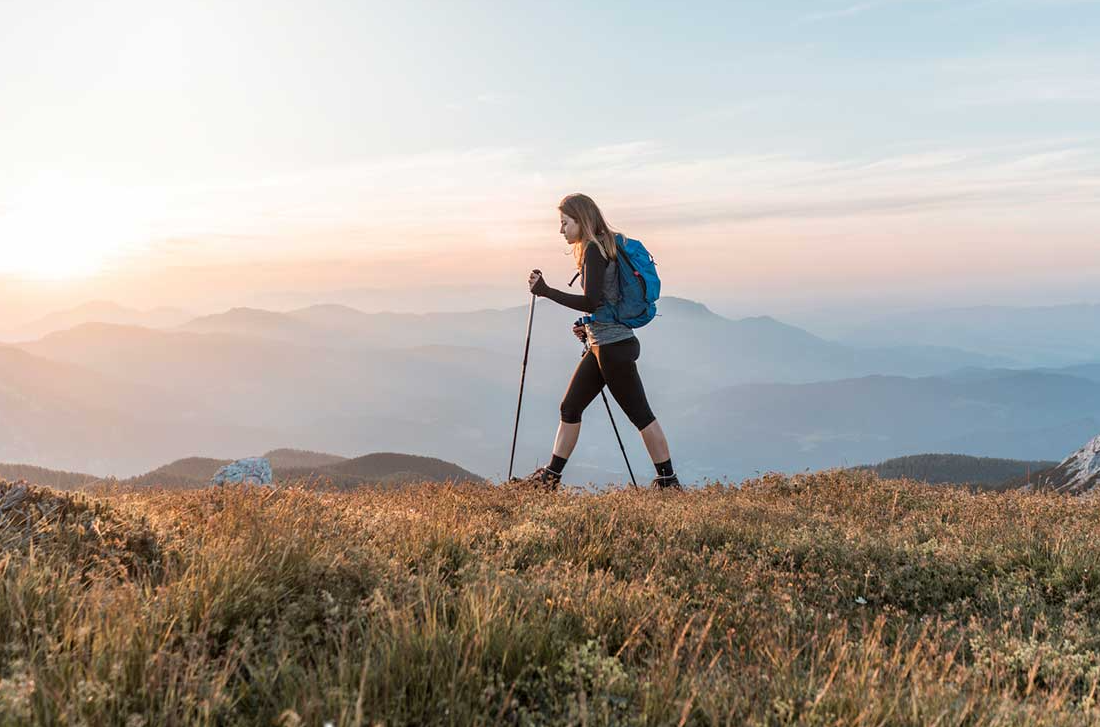
A five-mile walk across open fields can be easier than a two-mile climb through rocky woodland. Distance tells you how far a trail goes, but not how difficult it will be. Steep gradients, loose stones, muddy ground and exposed sections can turn a short hike into a demanding outing.Hiking brings together physical endurance, route planning and the ability to move confidently over different surfaces. Some trails are suitable for a relaxed afternoon outdoors. Others call for stronger navigation skills, experience on difficult terrain and a willingness to change plans when conditions deteriorate.
Choosing the right trail means looking beyond its length or scenery. Elevation gain, surface conditions, weather and available daylight all affect the experience. Understanding these factors helps hikers find routes that match their abilities and gradually take on more challenging terrain.
Exploring Hiking Trails Beyond the City
Hiking doesn’t always mean heading into remote wilderness. Trails wind through forests, farmland, nature reserves, hillsides and rural communities. Some follow maintained gravel tracks, while others cross open fields or climb narrow paths where the ground changes with every step.
A countryside route might begin on a firm track before entering woodland with exposed roots and muddy patches. After rain, grass can become slippery and streams may rise enough to make crossings difficult. Even a relatively flat trail can demand more concentration than a paved walking route.
Different environments bring their own challenges:
| Trail environment | Typical characteristics | Main considerations |
|---|---|---|
| Forest trails | Shaded paths, exposed roots, leaf litter and uneven ground | Slippery surfaces, limited visibility and navigation |
| Nature trails | Often short, marked routes through natural areas, sometimes with educational signs | Trail rules, sensitive habitats and seasonal restrictions |
| Countryside paths | Farm tracks, field crossings, gates and rural lanes | Livestock, access rights and changing ground conditions |
| Hill trails | Sustained climbs, descents and exposed slopes | Elevation gain, wind, weather and secure footing |
| Riverside trails | Often gentle gradients with occasional rough sections | Flooding, erosion and slippery banks |
The boundary between hiking and recreational walking isn’t always clear. A maintained nature trail may be accessible to casual walkers, while an unmarked route through the same landscape could require navigation experience.
Difficulty ratings also vary between parks, regions and trail organizations. An intermediate route in one area may be harder than a similarly rated trail elsewhere. When comparing hiking routes, check the terrain, elevation profile and recent conditions rather than relying on the difficulty label alone.
Choosing Trails for Different Fitness Levels
A suitable trail should offer a reasonable challenge without pushing hikers beyond their physical abilities or experience. Cardiovascular fitness matters, but so do balance, confidence on uneven ground and familiarity with steep descents.
Someone who regularly walks several miles on pavement may struggle with rocky slopes despite having good endurance. Someone else may feel comfortable on rough ground but find sustained climbing exhausting. Route selection should account for both situations.
Easy Countryside Routes
When it comes to hiking for beginners, established trails with gentle gradients and clear markers are a practical starting point. Short loop trails are especially convenient because they return to the trailhead without requiring transportation from a separate finishing point.
A beginner-friendly route usually offers:
- Clearly marked junctions and straightforward navigation.
- Limited elevation gain and few steep sections.
- Firm, relatively even walking surfaces.
- Options to shorten the route or turn back.
- An accessible trailhead with convenient parking or public transportation.
These features make a hike more manageable, but they don’t eliminate the effects of weather. An open field can offer little shelter from strong winds or intense sunlight. Heavy rainfall may leave otherwise easy paths muddy or waterlogged.
Before setting out, check recent trail reports and compare the route with distances you’ve already walked comfortably. A familiar distance on slightly more varied terrain is often a better first challenge than combining extra mileage with difficult climbs.
Challenging Trails and Steep Terrain
Distance alone doesn’t capture what makes a trail challenging. Long climbs require sustained effort, while steep descents place considerable strain on the quadriceps as they control the body’s movement downhill.
Rocky sections demand careful foot placement, particularly where loose stones can shift underfoot. Narrow paths along exposed slopes introduce another concern: the consequences of losing balance may be much more serious.
Several factors determine trail difficulty:
| Factor | Why it matters |
|---|---|
| Total distance | Affects the amount of ground to cover and overall duration |
| Elevation gain | Increases the physical effort required for climbing |
| Gradient | Determines the steepness of individual climbs and descents |
| Surface conditions | Influence traction, stability and walking speed |
| Exposure | Increases vulnerability to wind, weather and falls |
| Navigation complexity | Requires additional route-finding skills |
| Remoteness | Limits access to assistance and alternative exits |
A steep trail isn’t necessarily technical. A broad gravel track may climb sharply without presenting difficult footing. By contrast, a shorter route across loose scree or uneven rock can require considerable concentration.
Where scrambling, substantial exposure or the use of hands becomes necessary, the route may demand skills beyond ordinary hiking experience. These sections deserve particular attention when reviewing trail descriptions.
How Terrain Changes the Hiking Experience
Walking technique changes naturally with the ground. Firm gravel allows a steady stride, while mud, sand and loose rock often require shorter, more deliberate steps. Adapting hiking techniques to the surface helps maintain control without wasting energy.
On steep climbs, shortening the stride and leaning slightly forward can help maintain balance and a comfortable rhythm. The appropriate posture depends on the slope and footing. Excessive bending at the waist may make movement less efficient.
Downhill sections call for controlled steps rather than speed. Rushing a descent makes it harder to respond to shifting stones or sudden changes in the surface. Keeping the pace manageable is particularly useful when the ground is wet.
Forest trails can become treacherous after rainfall. Wet roots offer little grip, especially when approached at an angle, while fallen leaves may conceal holes and loose stones. Open hillsides present different problems, including strong crosswinds and limited shelter.
Trail conditions can change between visits. Even familiar routes deserve a fresh assessment after heavy rain, freezing temperatures or periods of severe weather.
Building Strength and Endurance for Hiking
Hiking develops cardiovascular fitness and muscular endurance, especially on routes with repeated climbs. The demands vary with terrain, pace and the weight carried.
Uphill walking engages the glutes, quadriceps and calves. During descents, the quadriceps perform substantial eccentric work to control the body’s movement. Core and hip muscles help maintain stability when the ground is uneven.
Improving hiking fitness doesn’t require a specialized training program. Regular walking, progressively more demanding routes and basic strength exercises provide a useful foundation.
Step-ups, squats, calf raises and split squats strengthen muscles involved in climbing and descending. Controlled technique and gradual progression matter more than completing a fixed number of repetitions.
Brisk walking, cycling and stair climbing can improve aerobic endurance. However, these activities don’t fully reproduce the coordination needed on natural trails. Time spent walking on varied surfaces remains an important part of preparation.
Preparing for Longer Distances
Endurance develops through consistent training rather than occasional exhausting hikes. Increasing distance, elevation gain and pack weight simultaneously can lead to excessive fatigue or overuse problems.
Someone comfortable with a three-mile walk might first extend the distance on familiar ground. Once longer outings feel manageable, adding more climbing or rougher terrain provides a different challenge without increasing every demand at once.
Pacing becomes increasingly important on longer routes. Starting too quickly can leave hikers struggling during the final miles, especially if the hardest climbs come late.
On moderate terrain, a pace that allows comfortable conversation is often suitable for recreational hiking. Steeper sections may call for slower walking or short breaks.
Food and water requirements depend on duration, temperature, exertion and individual needs. Carry enough for the planned outing, with a reasonable margin for delays, rather than assuming supplies will be available along the way.
Recovery also matters. Persistent pain, unusual fatigue or recurring discomfort after hikes may indicate that training demands are increasing too quickly.
Improving Balance and Stability
Uneven trails require constant adjustments in body position. Stones, roots and irregular steps challenge balance in ways that smooth pavement rarely does.
Simple exercises such as standing on one leg, controlled step-downs and slow movements over stable obstacles can help improve coordination. More demanding variations should follow only when the basic movements feel comfortable.
On the trail, looking several steps ahead makes it easier to anticipate obstacles and changes in gradient. Focusing exclusively on the ground directly beneath your feet can leave too little time to adjust.
Trekking poles can provide extra stability on rough ground and support during steep climbs or descents, particularly with a heavy backpack. They need to be placed carefully, however, and should be stowed where scrambling requires the use of hands.
Planning a Countryside Hiking Adventure
Good route planning starts with a realistic assessment of the trail, the weather and the people taking part. Distance and elevation are important, but access restrictions, daylight and opportunities to leave the route also deserve attention.
Online maps and trail descriptions are useful starting points. Check when they were last updated and look for recent notices about flooding, erosion, forestry work or temporary closures. A route shown on a map may not currently be accessible.
Study the elevation profile before estimating the duration. Total ascent indicates the amount of climbing, while the location of steep sections helps identify where the greatest effort will be required. When reviewing hiking elevation data, distinguish cumulative ascent from the difference between the starting point and the highest point. A route with several climbs can involve substantial effort even if its highest point is only slightly above the trailhead.
One traditional planning method is Naismith’s Rule. It estimates approximately one hour for every 5 km of horizontal distance, plus another hour for every 600 m of ascent. The rule provides a rough baseline rather than a dependable finishing time. Difficult ground, steep descents, heavy packs and rest stops can make a hike considerably longer.
Daylight is another constraint. A route that fits comfortably into a summer afternoon may leave insufficient time during winter. Build in a margin for slower progress and unexpected delays.
Before departure, confirm the following:
- The trailhead is accessible and any required parking or permits are available.
- The route doesn’t cross restricted land or temporarily closed sections.
- Water supplies are sufficient, particularly where reliable refill points are absent.
- The expected walking time leaves enough daylight to finish safely.
- Navigation resources are available without mobile reception.
Offline maps are useful in areas with unreliable coverage, but phones can fail or lose power. On unfamiliar or remote routes, a suitable paper map, compass and the skills to use them provide an independent backup. Check the map’s scale and symbols before departure rather than learning to interpret them halfway through a hike.
Weather forecasts should reflect the terrain rather than only the nearest town. Exposed hills may experience stronger winds and lower temperatures than sheltered valleys.
For longer or remote hikes, leave the planned route and expected return time with someone who isn’t joining the trip.
Essential Gear for Different Trail Conditions
The right hiking equipment depends on the route and expected conditions. A short walk along a maintained trail doesn’t require the same preparation as a full-day outing across exposed hills.
Footwear deserves particular attention. Trail shoes can work well on firm paths, while rocky or wet terrain may call for more protective footwear. Traction depends on the tread pattern, rubber compound and surface conditions. A sole that grips dry rock effectively may perform differently on wet stone or deep mud.
Poorly fitting footwear can cause pressure, blisters and discomfort, especially on descents. Shoes should allow enough room for the toes without excessive heel movement.
Clothing should help manage moisture and changing temperatures. A breathable base layer, insulating layer and suitable outer shell allow hikers to adjust as conditions change. Cotton absorbs moisture and dries slowly, making it less suitable as a primary layer in cold or wet weather.
| Equipment | Main purpose | Particularly useful when |
|---|---|---|
| Suitable hiking footwear | Traction, comfort and foot protection | Trails are rocky, wet or uneven |
| Waterproof jacket or protective shell | Protection against rain and wind | Weather is unsettled or terrain is exposed |
| Water and food | Hydration and energy | Routes are long or supplies are unavailable |
| Navigation tools | Route finding and position checks | Trails are unfamiliar or poorly marked |
| First-aid kit | Initial care for injuries | Any hike, especially in remote areas |
| Headlamp | Visibility after dark | Daylight is limited or delays are possible |
| Trekking poles | Stability and additional support | Terrain is steep or uneven |
| Emergency shelter | Protection during an unplanned stop | Routes are remote or exposed |
Equipment is only useful when it works and the hiker knows how to use it. Check headlamp batteries, navigation devices and other essential items before leaving.
Backpack weight affects both endurance and balance. Carrying unnecessary equipment makes climbs harder, but reducing weight shouldn’t come at the expense of essential protection or emergency supplies.
For ordinary day hiking, the goal is a practical balance between preparedness and comfort. A small pack may be sufficient for a short, accessible route, while a remote all-day walk requires additional supplies and protection against unexpected delays.
Staying Safe on Remote Hiking Trails
Remote trails leave less room for mistakes. Mobile coverage may be unreliable, assistance can take longer to arrive and sudden changes in weather may make exposed terrain dangerous.
Conditions should be reassessed throughout the hike, not just before departure. If the route becomes more difficult than expected, turning back is often safer than continuing toward a planned destination.
Navigation mistakes are particularly serious where trails are poorly marked. When unsure of your position, stop and check the map rather than continuing in the hope of recognizing a landmark. If the route cannot be identified reliably, avoid moving farther into unfamiliar terrain.
River crossings require careful judgment. Water that was shallow during dry weather can become fast-flowing after heavy rain. Current strength, depth, temperature and the condition of the riverbed all affect the risk. A crossing that looks manageable from the bank may still be unsafe. If the current is strong, the footing cannot be assessed or the water level is rising, finding another route or turning back is the safer choice.
Wildlife and livestock also require awareness. Keep a suitable distance, avoid approaching or feeding animals and follow local guidance. Give grazing animals room, particularly when young are present.
If an injury prevents someone from continuing, move away from immediate danger where this can be done safely. Protect the injured person from cold and wet conditions, avoid unnecessary movement if a serious injury is suspected and contact emergency services using the appropriate local number or available communication equipment.
A mobile phone is valuable but shouldn’t be considered a guaranteed rescue method. Some remote areas have no usable signal, and cold temperatures can reduce battery performance. More isolated routes may justify carrying a dedicated emergency communication device.
Knowing when to change plans matters just as much as carrying the right gear. Experienced hikers don’t judge a trip solely by whether they reach the intended destination. Returning safely is part of a successful outing.
Hiking Responsibly Through Farmland and Natural Areas
Many countryside trails cross working farmland, managed forests and conservation areas. These landscapes support agriculture, wildlife and local communities alongside recreational access.
A marked public trail doesn’t automatically provide permission to explore the surrounding land. Access rights vary by country and region, so check local rules and respect posted restrictions.
On farmland, leave gates as you find them unless signs instruct otherwise. An open gate may be necessary for livestock movement, while leaving a closed gate open can allow animals to escape. Use designated crossings and avoid damaging crops.
Dogs should remain under close control around livestock and wildlife. Some areas require leashes during particular seasons or near sensitive habitats. Even without a formal restriction, preventing dogs from chasing animals is essential.
Repeated foot traffic can gradually wear down natural paths. Cutting across bends or creating shortcuts around muddy patches can widen trails and accelerate erosion. Where safe and permitted, stay on the established route.
Carry out litter, including food scraps. Biodegradable waste can still attract animals, alter their feeding behavior or take considerable time to break down.
Noise and group size can also disturb sensitive habitats, particularly during nesting seasons. Follow seasonal restrictions and give other trail users enough space to pass comfortably.
Responsible trail hiking means protecting the landscape while respecting the people who live, work and spend time there. These habits matter just as much on popular countryside paths as they do in remote natural areas.
FAQ
What is the difference between hiking trails and walking trails?
The terms overlap, but walking trails often include paved paths, park circuits and shorter recreational routes. Hiking trails more commonly involve natural surfaces, changes in elevation and greater demands on navigation or physical fitness. The actual route description matters more than the name.
How can beginners choose a suitable hiking route?
Start with a clearly marked trail, manageable distance and modest elevation gain. Loop routes with easy access and opportunities to turn back are convenient. Check recent conditions and choose terrain that matches your walking experience.
Does elevation gain matter more than hiking distance?
Neither factor determines difficulty alone. Distance affects the duration of a hike, while elevation gain indicates climbing effort. Gradient, descents, surface conditions and weather can make a shorter route considerably harder than a longer, flatter one.
How can I improve hiking endurance?
Walk regularly and increase distance or elevation gradually. Strength exercises for the legs and hips, along with aerobic activities such as cycling or brisk walking, can support progress. Include time on uneven trails to develop coordination and balance.
What should I carry on a day hike?
Bring suitable footwear, weather-appropriate clothing, sufficient water and food, navigation tools, a basic first-aid kit and a charged phone. For remote or exposed routes, consider additional insulation, a headlamp and emergency shelter. Adjust your equipment to the conditions rather than relying on the same packing list for every hike.