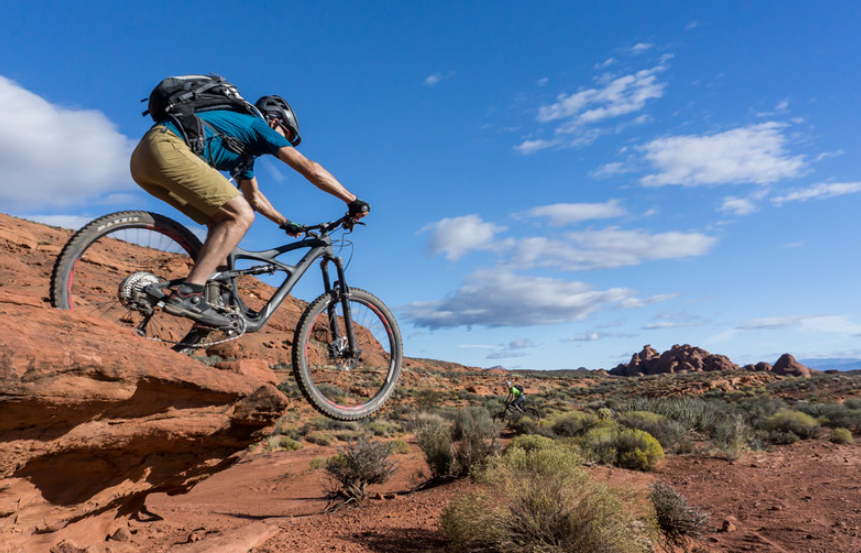
Biking can mean a short ride around the neighborhood, a long stretch of country road, or a challenging descent on a rocky trail. The act of pedaling stays the same, but the experience changes with the terrain, route, and bicycle. Smooth pavement makes it easier to settle into a steady rhythm. Loose gravel demands more careful handling, while technical trails test balance, traction, and quick decision-making.Cycling also gives riders considerable control over how hard they work. Beginners can build confidence on short, relatively flat routes before tackling longer distances or uneven ground. Experienced cyclists may prefer endurance rides, demanding climbs, or technical mountain bike trails.
Enjoying outdoor cycling takes more than physical fitness. A properly fitted bicycle, reliable braking skills, and sensible route choices make a noticeable difference, particularly when conditions become unpredictable.
Exploring the Different Ways to Enjoy Biking
Road cycling, gravel riding, and mountain biking share the same basic principles, but each places different demands on the rider. Road cyclists generally prioritize efficient, sustained riding, while off-road routes require more frequent adjustments to speed, balance, and body position.
Terrain also influences equipment choices. A lightweight road bike may perform well on pavement but struggle on rocky tracks. Mountain bikes offer better control over rough ground, although aggressive off-road tires, suspension, and riding position can make them less efficient on paved roads.
Road Cycling vs Trail Riding
Road cycling primarily takes place on paved streets, rural highways, and designated bike routes. Predictable surfaces make it easier to maintain a consistent cadence, although wind, traffic, gradients, and intersections still affect speed and effort.
Road bikes commonly have lightweight frames, relatively narrow tires, and gearing suited to sustained riding. Drop handlebars provide several hand positions for longer journeys. Fitness and hybrid bikes offer a more upright alternative for recreational cyclists who prefer versatility over outright speed.
Trail riding covers everything from smooth forest paths to technical mountain bike trails. Firm dirt tracks are usually easier to ride than rocky singletrack, where roots, loose stones, and sharp turns demand precise handling. Conditions can change quickly, particularly after rain.
The main differences become clearer when comparing typical riding conditions.
| Feature | Road cycling | Trail riding |
| Main surface | Asphalt and paved roads | Dirt, gravel, roots, and uneven ground |
| Riding position | Often more forward-leaning | Dynamic, with frequent position changes |
| Tire choice | Smooth or lightly textured tread | Wider tires with terrain-specific tread |
| Main handling demands | Traffic awareness, cornering, pacing | Traction, balance, obstacle control |
| Common equipment | Road, endurance, or fitness bike | Gravel, hybrid, or mountain bike |
Gravel cycling bridges some of these differences. Gravel bikes often resemble road bikes but accommodate wider tires and offer geometry suited to mixed surfaces. They work particularly well on routes combining pavement, gravel roads, and relatively smooth dirt tracks. Technical singletrack, however, generally favors a mountain bike.
Cycling on Country Roads
Riding through rural areas offers a change from city traffic. Country roads often pass farmland, wooded areas, and small communities, with longer stretches between intersections. This can make it easier to maintain a comfortable pace without frequent stops.
Quiet roads still present hazards. Narrow lanes, blind bends, damaged pavement, and limited shoulders can leave little room for error. Farm machinery may occupy much of the roadway, while loose gravel often collects near junctions or along pavement edges.
Surface quality can also change unexpectedly. A well-maintained lane might lead into broken asphalt, a steep descent, or an unpaved section. Checking the route beforehand helps avoid terrain that exceeds the bicycle’s capabilities.
Countryside cycling also brings changing wind exposure and elevation. Repeated climbs can make a 25-mile ride more demanding than a considerably longer route across flat ground. Total elevation gain and road conditions often provide a better indication of difficulty than mileage alone.
Off-Road and Mountain Biking
Mountain biking places greater emphasis on handling skills, particularly when trails include exposed roots, rock gardens, tight switchbacks, and steep gradients. Riders must continually adjust their speed and position to maintain traction.
Different mountain biking disciplines emphasize different abilities. Cross-country riding combines endurance, climbing efficiency, and technical handling. Trail riding usually involves a broader mix of climbs, descents, and obstacles. Competitive downhill focuses on timed descents over steep, technical terrain, typically using long-travel mountain bikes and extensive protective gear.
Singletrack, a narrow trail generally ridden in single file, is common in mountain biking. Its difficulty depends on factors such as gradient, surface stability, cornering space, and obstacles. A short trail with steep drops may be considerably harder than several miles of smooth forest track.
Trail ratings help riders choose suitable bike trails, but grading systems differ between riding areas. Some networks use color-coded difficulty levels, while others rely on descriptive classifications. These ratings are not universally standardized, and recent weather or trail damage can make a route harder than its published grade suggests.
On uneven ground, slightly bent arms and legs allow the bicycle to move beneath the rider and help absorb impacts. Looking farther down the trail makes it easier to select a line around obstacles. Smooth braking is equally important because sudden wheel lockup on loose surfaces can quickly reduce traction.
Choosing the Right Bike for Outdoor Riding
The best bicycle is one that suits the routes it will cover most often. Frame geometry, tire clearance, gearing, and suspension all affect handling and comfort, but every design involves compromises.
Road bikes favor efficiency on pavement. Mountain bikes provide greater control over rough terrain, while gravel and hybrid models offer practical alternatives for riders who regularly switch between surfaces.
Before buying, consider these features:
- Frame fit: The bicycle should provide a comfortable reach to the handlebars and appropriate leg extension while pedaling.
- Tire clearance: Wider tires can improve comfort and traction on uneven surfaces, provided the frame and fork accommodate them.
- Gearing: Lower gear ratios make climbing easier, particularly on steep hills or when carrying luggage.
- Brakes: Disc brakes are widely used on modern road, gravel, and mountain bikes. They generally perform reliably in wet conditions, although maintenance and brake components also matter.
- Suspension: Suspension helps absorb impacts on rough trails but adds weight, mechanical complexity, and maintenance.
- Mounting points: Bottle cages, racks, and luggage mounts are useful for touring and longer recreational rides.
Tire width and pressure deserve particular attention. Wider tires can often be run at lower pressures, improving comfort and grip on rough surfaces. However, the appropriate pressure depends on tire construction, rider weight, terrain, and whether the wheels use tubes or a tubeless setup. Excessively low pressure can cause rim strikes, tire damage, or unstable handling.
Frame sizing also matters because manufacturers use different geometries. Two bikes labeled the same size may have noticeably different reach, handlebar height, and riding positions.
A test ride can reveal obvious fit problems, including excessive pressure on the hands, difficulty reaching the brake levers, or an uncomfortable saddle position. Some discomfort only becomes apparent on longer rides, so a short test cannot replace proper adjustment.
Beginners rarely need expensive components to enjoy biking. A dependable bicycle with suitable tires, effective brakes, and a comfortable fit is a better starting point than specialized cycling equipment intended for advanced riding.
Essential Cycling Techniques
Good bike handling depends on coordinating pedaling, shifting, braking, and cornering. These skills become particularly important as speed increases or terrain becomes more demanding.
Quiet roads and traffic-free spaces provide useful practice areas. Repeating basic maneuvers helps riders develop smoother responses before they encounter difficult conditions.
Pedaling Efficiency and Gear Shifting
Efficient pedaling starts with selecting a gear that supports a comfortable rhythm. Cyclists call this rhythm cadence, measured in pedal revolutions per minute.
There is no single ideal cadence for every rider. Fitness, terrain, gearing, and individual biomechanics all influence what feels sustainable. Recreational cyclists may prefer a moderate cadence, while experienced riders sometimes use higher pedaling rates during sustained efforts.
Grinding a large gear at low cadence increases the force required with each pedal stroke. At the other extreme, spinning faster than a rider can comfortably control may cause bouncing in the saddle or inconsistent power delivery.
A comfortable gear should let riders pedal smoothly without forcing each stroke.
Anticipating gear changes also improves efficiency. Shifting into an easier gear before a climb helps maintain momentum and reduces strain on the drivetrain. On derailleur-equipped bikes, briefly easing pedal pressure during a shift generally produces a smoother transition. Extreme chain angles should be avoided on drivetrains where cross-chaining is possible.
Saddle height affects pedaling mechanics. A saddle set too low increases knee flexion, while one positioned too high may cause the hips to rock as the rider stretches toward the bottom of each pedal stroke.
Braking and Bike Handling
Most modern bicycles use independent front and rear brakes. Learning how each affects stopping and balance is an essential part of controlling the bike.
The front brake provides much of the available braking power because deceleration shifts weight toward the front wheel. It is not inherently unsafe to use, but abrupt or excessive pressure can cause problems. On high-grip surfaces, forceful braking may lift the rear wheel. When traction is limited, the front tire can skid if braking exceeds the available grip.
Progressive braking allows riders to adjust pressure according to speed, surface conditions, and weight distribution. Both brakes contribute to controlled stopping, although their relative effectiveness changes with terrain.
Body position becomes especially important on steep off-road descents. Lowering the center of gravity, keeping the arms and legs relaxed, and shifting weight as needed helps maintain control. Moving excessively far behind the saddle can unload the front wheel and make steering less effective.
Cornering requires similar anticipation. Riders should look toward the intended exit and reduce speed before entering a turn, particularly on loose surfaces or where visibility is restricted.
A useful beginner braking drill involves practicing controlled stops from different speeds in a traffic-free area. The aim is to develop smooth brake modulation without skidding or abruptly grabbing the levers.
Building Endurance for Longer Rides
Cycling endurance develops through regular riding rather than occasional exhausting sessions. Gradually increasing time in the saddle allows the body to adapt without making every workout unnecessarily demanding.
Aerobic endurance refers to the ability to sustain relatively steady exercise over an extended period. It differs from the capacity to produce high power during short climbs or repeated accelerations, although both contribute to overall cycling performance.
An easy endurance ride should generally allow a comfortable conversation. This talk test provides a practical way to estimate intensity without relying on a heart-rate monitor or power meter.
Longer rides also require attention to food and hydration. Fluid needs depend on temperature, intensity, and individual sweat rate. As duration increases, carbohydrate intake becomes more important for maintaining energy and performance.
For recreational riders, regular moderate-effort sessions establish a useful foundation before introducing more demanding cycling training.
Training Distance and Intensity
Increasing mileage is not the only way to improve cycling fitness. Training intensity, frequency, and terrain all affect the workload, so a short ride with repeated steep climbs may be harder than a longer journey on flat roads.
An effective routine can combine several types of sessions:
- Easy rides: Comfortable efforts that develop aerobic fitness without creating excessive fatigue.
- Long endurance rides: Extended sessions at a manageable pace that gradually improve tolerance for time in the saddle.
- Interval training: Short periods of harder riding separated by easier recovery periods, used to develop the ability to sustain or repeat higher efforts.
- Technique sessions: Lower-intensity rides focused on braking, cornering, shifting, or handling specific terrain.
Someone comfortable with 30-minute rides might gradually extend one weekly session while keeping other rides shorter. Increasing distance and intensity aggressively at the same time can produce more fatigue than expected.
The appropriate progression depends on previous training, current fitness, and recovery. Beginners usually benefit from establishing a consistent riding routine before adding structured high-intensity workouts.
Recovery and Rest Days
Rest is part of the training process, not simply time away from the bicycle. Muscles, connective tissues, and the cardiovascular system need sufficient recovery between demanding sessions.
Recovery does not always require complete inactivity. An easy spin, gentle walking, or ordinary daily movement may be appropriate when fatigue is mild. After particularly demanding rides, a full rest day may be more useful.
Persistent heavy legs, declining performance, unusual fatigue, and disrupted sleep can indicate that training demands are exceeding recovery. These signs are not specific to overtraining, but they are reasons to reconsider the workload.
Food and sleep also influence recovery. Eating enough to support activity, replacing fluids lost during exercise, and maintaining adequate sleep help riders prepare for subsequent sessions.
A sensible training schedule leaves room for adjustments. Missing a workout because of fatigue is generally preferable to forcing another hard session when the body has not recovered.
Planning a Countryside Cycling Route
A well-planned route should match the rider’s experience, bicycle, available time, and local conditions. Mapping applications can help identify bike-friendly roads, elevation profiles, and surface types, but their information is not always complete.
Some mapped trails may prohibit cycling, cross private property, or contain terrain unsuitable for the chosen bicycle. Access rules should be checked locally, particularly when a route includes shared-use paths or mountain bike trails.
Before setting out, review the following:
- Surface and elevation: Identify unpaved sections, major climbs, steep descents, and possible changes in road quality.
- Traffic exposure: Choose roads with reasonable visibility and traffic conditions appropriate to your experience.
- Weather: Check wind direction, rainfall, temperature, and conditions likely to affect traction.
- Water and supplies: Locate refill points, stores, or towns along longer and more remote routes.
- Navigation: Download offline maps where mobile coverage may be unreliable.
- Return options: Identify shortcuts or alternative routes if fatigue, mechanical trouble, or worsening weather interrupts the ride.
Loop routes are convenient because they finish at the starting point. Out-and-back routes provide greater flexibility, allowing riders to turn around earlier when necessary.
Mountain bike routes require additional attention to trail ratings, access restrictions, and emergency assistance. Remote trails may have limited phone coverage, so sharing the planned route with someone is a sensible precaution.
A basic pre-ride inspection should include tire pressure, brake operation, wheel security, and drivetrain condition. A spare tube or tubeless repair supplies, tire levers, and a pump can prevent a minor puncture from ending the ride.
Staying Safe on Roads and Trails
Bike safety involves both equipment and judgment. A properly fitted helmet, functioning brakes, and suitable visibility equipment provide important protection, but riders must still adapt their speed and behavior to changing conditions.
On public roads, cyclists should follow local traffic laws and ride predictably. Clear signals and consistent positioning help other road users anticipate their movements.
Particular care is needed around parked vehicles, intersections, and narrow lanes. Leaving adequate space beside parked cars reduces the risk of being struck by an opening door. At junctions, riders should watch for turning vehicles and confirm that their intended path is clear.
Lights are essential in darkness and poor visibility. Although legal requirements differ by location, a white front light and red rear light are standard equipment for riding after dark.
Off-road routes introduce different hazards. Mountain bikers may share trails with walkers, horseback riders, and cyclists traveling at different speeds. Right-of-way rules vary between trail systems, so posted instructions should take priority.
On shared paths, slowing before blind corners and leaving sufficient passing space is safer than relying on a last-second warning.
Protective equipment should reflect the terrain. Helmets are important across cycling disciplines, while technical mountain biking may call for gloves, eye protection, knee pads, or more extensive protection.
Knowing when to stop is another essential skill. Walking through an obstacle or difficult descent is often the sensible choice when conditions exceed the rider’s experience.
FAQ
Is biking a good activity for beginners?
Yes. Bike riding allows beginners to adjust distance, speed, and terrain to suit their fitness and confidence. Short rides on quiet, relatively flat routes provide a practical starting point. Learning basic braking, shifting, and balance skills makes the transition to more demanding routes easier.
What is the difference between road biking and mountain biking?
Road biking focuses on paved surfaces and efficient riding over distance. Mountain biking takes place on uneven terrain, where traction, balance, and obstacle handling become more important. The disciplines also differ in tire design, frame geometry, and typical suspension setups.
How often should beginners ride to improve cycling fitness?
Two or three manageable rides per week can be a useful starting routine. Frequency depends on fitness, recovery, and other physical activities. Gradually extending one session while allowing sufficient rest is generally more sustainable than increasing every ride at once.
What equipment is needed for a countryside bike ride?
A well-maintained bicycle, properly fitted helmet, water, and weather-appropriate clothing cover the essentials. Longer rides may require food, navigation, lights, and a puncture repair kit with a pump. Equipment needs depend on the route, conditions, and distance from available services.
Can a road bike be used on trails?
Some road bikes can handle smooth, compacted dirt or gravel paths, particularly with suitable tires. However, limited tire clearance, narrow tires, and road-oriented geometry make many models unsuitable for rocky or technical trails. Gravel or mountain bikes are better suited to frequent off-road riding.